
Open Autonomous intelligence initiative
Download the Axiomatic Ontology (AO) Foundation paperDownload the AO Research Program paper
Download the AO Matter Reconstruction Pass 1 Analysis paper
Open Autonomous Intelligence Initiative
Open object-oriented models for accountable AuI
-
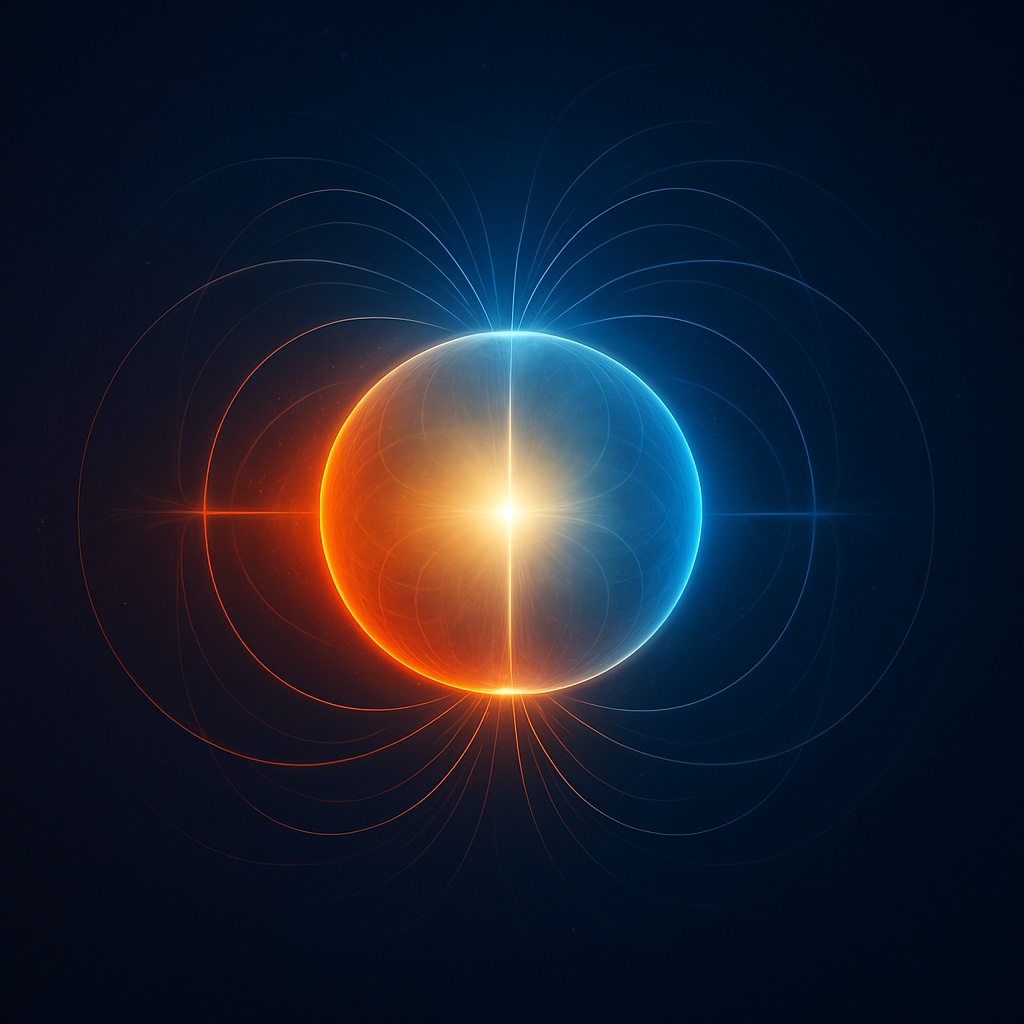
Geometric Realizations of UPA (Part 11)
In Parts 1–10 we established the geometric substrate of UPA: polarity (S²), multi-axis meaning (Sⁿ), learning on curved spaces, certification invariants, multi-agent geometries, novelty, hierarchy, and context modulation. In Part 11 we add the final essential piece: how systems move on these manifolds—the geometry of semantic motion itself.
-
Geometric Realizations of UPA (Part 10)
Parts 1–9 established UPA geometry through polarity, multi-axis structure, learning on curved manifolds, certification invariants, multi-agent geometries, novelty/emergence, hierarchical embeddings, and context modulation. Now we reach the central evaluative concept of UPA geometry: harmony—the scalar or vector measure of viability, stability, balance, and integrative coherence.
-
Geometric Realizations of UPA (Part 9)
Parts 1–8 built the geometric core of UPA: polarity (S²), multi-axis structure (Sⁿ), manifold learning, certification invariants, multi-agent geometry, novelty/emergence, and hierarchical embeddings. Now we move to one of the most powerful and subtle components of the system: context modulation, and its geometric expression through local vector fields and region-specific harmony laws. This is how…
-
Geometric Realizations of UPA (Part 8)
Parts 1–7 established polarity, multi‑axis hyperspheres, learning on curved manifolds, safety invariants, multi‑agent geometry, and novelty/emergence. We now turn to one of the most profound structural features of UPA: identity across levels—the recursive, scale‑spanning coherence represented by hierarchical embeddings.
-
Geometric Realizations of UPA (Part 7)
Parts 1–6 established polarity geometry (S²), multi-axis hyperspheres (Sⁿ), manifold learning, safety invariants, and multi-agent interaction. Now we turn to one of the deepest and most powerful consequences of UPA geometry: novelty—the lawful emergence of new distinctions, new dimensions, new identities, and new forms of intelligence.
 Open Autonomous Intelligence Initiative