
Open Autonomous intelligence initiative
Download the Axiomatic Ontology (AO) Foundation paperDownload the AO Research Program paper
Download the AO Matter Reconstruction Pass 1 Analysis paper
Open Autonomous Intelligence Initiative
Open object-oriented models for accountable AuI
-
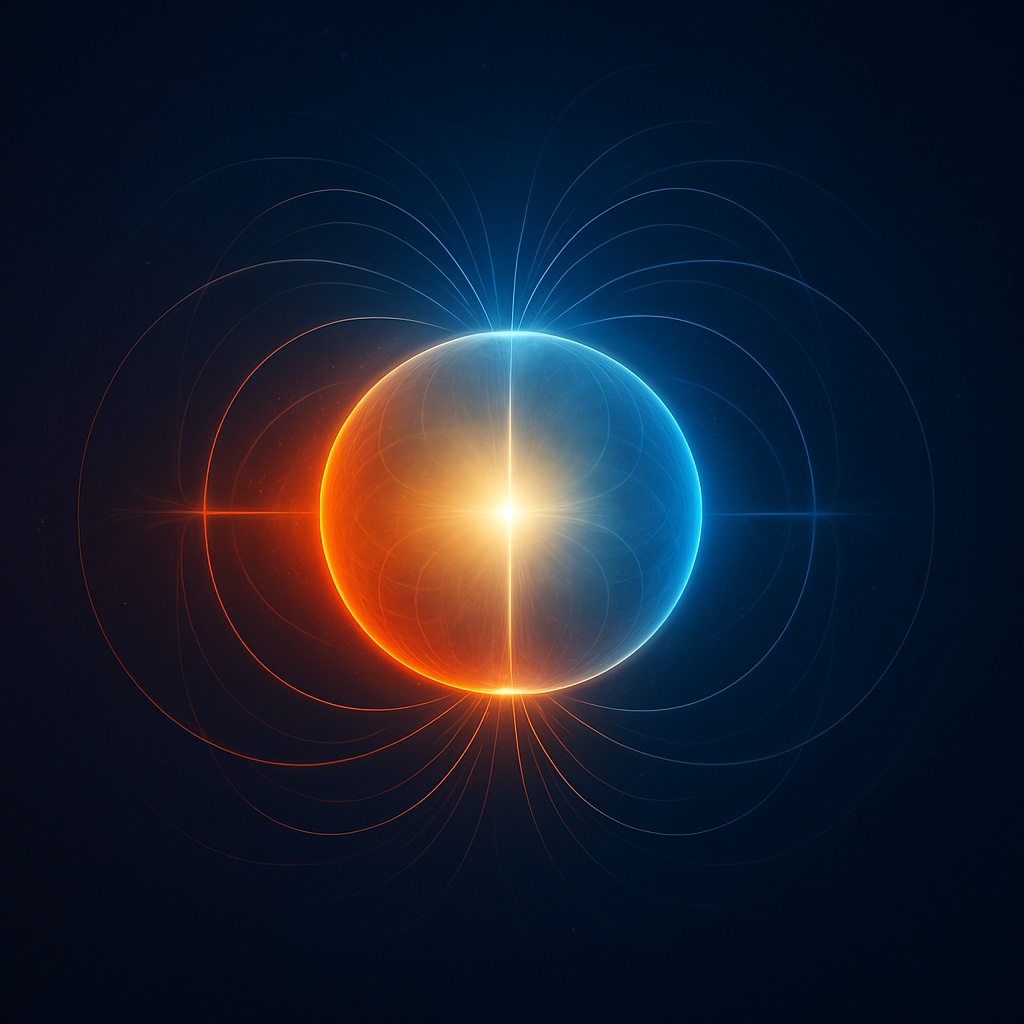
UPA Axiom 6 — Novelty
Novelty is the generative principle that enables differentiated structures, Worlds, and intelligibility to expand beyond their prior limits.
-
UPA Axiom 5 — Harmony
Harmony is the principle that viability is achieved when the differentiated elements of a World are proportionally balanced relative to their functional roles, contextual relevance, and relational commitments.
-
UPA Axiom 4 — Worlds
Worldhood is the structural condition under which intelligibility becomes possible.
-
UPA Axiom 3 — Continuity
Continuity is the structural condition that governs how differentiation unfolds, ensuring that changes remain intelligible and evolution remains coherent.
-
UPA Capitalization Guide
This brief guide explains why certain terms in the Unity–Polarity Axiom (UPA) framework—including Worlds, Unity, Polarity, and others—have been inconsistently capitalized across drafts, and outlines how capitalization will be standardized in UPA Version 2.
-
UPA Axiom 2 — Polarity
Polarity is the first structured emergence from Unity, introducing complementary determinants that enable differentiation, form, and intelligibility. σ-relations generate axes of meaning, produce continuous fields of expression, support world formation, and provide the grammar of contrast and nuance. Distortions take the form of axial collapse, binarization, or rigidity, while restoration seeks balanced, context-sensitive expressivity. Polarity…
 Open Autonomous Intelligence Initiative